India Water Project 2
India’s growing water needs are becoming an urgent national concern due to rapid population growth, urbanization, industrialization, and agricultural demands. As one of the most populous countries in the world, India requires vast amounts of water for drinking, irrigation, and daily use. However, uneven rainfall and pollution of rivers and lakes have created serious water stress in many...
India
South Asia

Indonesia Water Project
Water scarcity in Indonesia, particularly in areas like Tegal in Central Java, has become a pressing concern due to rapid population growth and changing rainfall patterns. In many communities, access to clean and sufficient water is limited, especially during the dry season when rivers and reservoirs run low. As a result, water wells play a crucial role in providing a reliable source of water for...
Indonesia
South East Asia
Pakistan Water Project 2
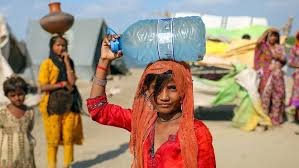
Water poverty in Pakistan is a serious and growing challenge affecting communities across the country. Although Pakistan is home to several major rivers, it still faces severe water scarcity due to rapid population growth, climate change, pollution, and inefficient water use. Many areas suffer from limited access to clean and safe water, forcing people to depend on distant or unsafe sources...
Pakistan
South Asia
India Water Project
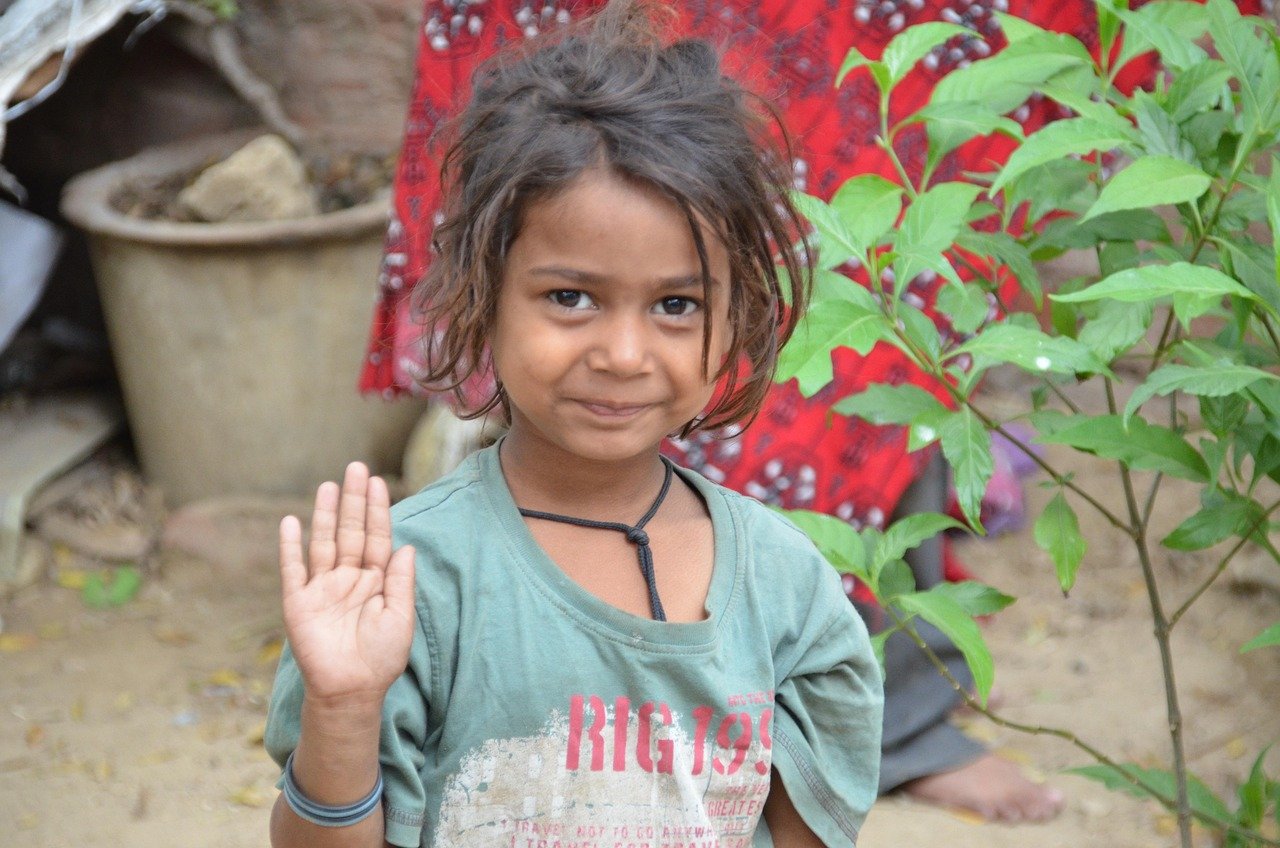
Water poverty in Uttar Pradesh, India, is a growing concern that affects millions of people, especially in rural areas. Despite being home to several rivers, including the Ganges, Yamuna, and Ghaghara, the state faces severe water scarcity due to over-extraction of groundwater, pollution, and poor water management. Many districts, such as Bundelkhand, suffer from recurrent droughts, depleting...
India
Uttar Pradesh
Niger Water Project
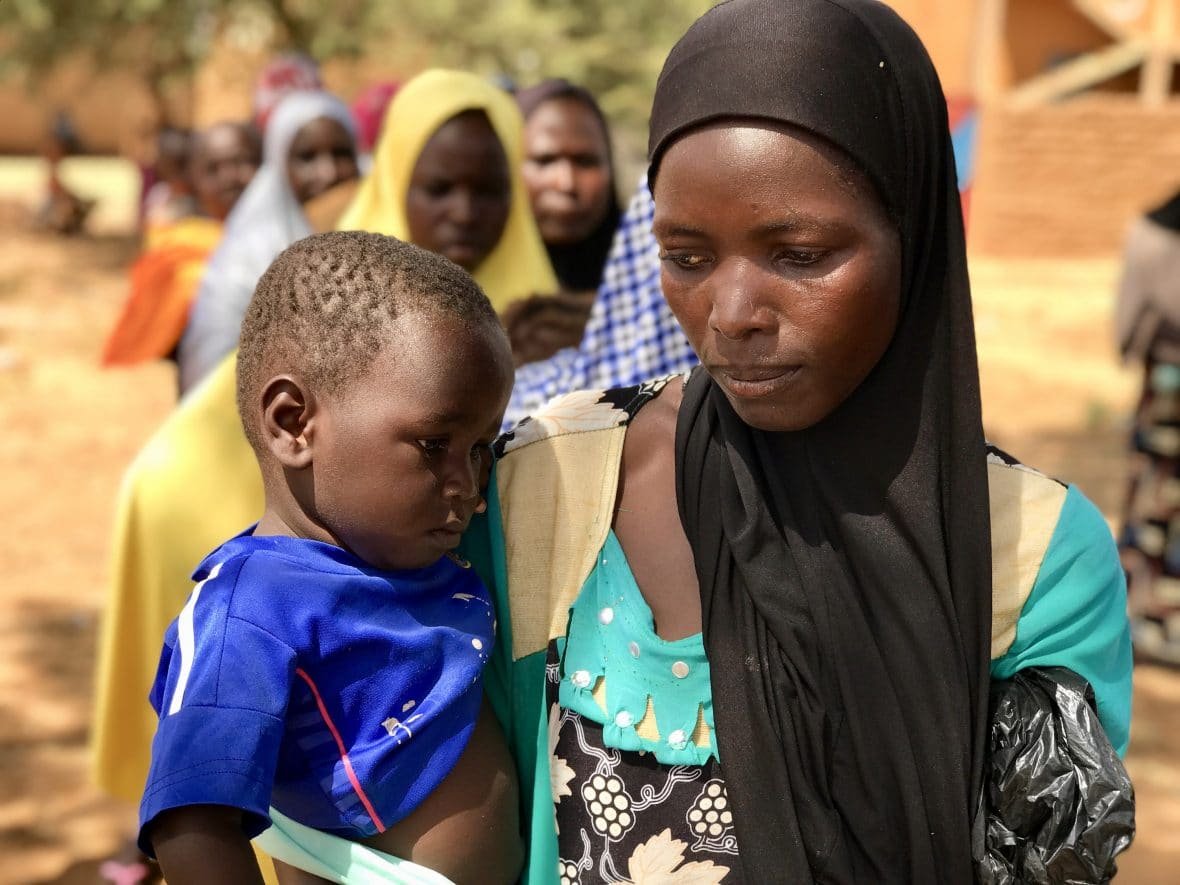
Niger faces one of the most severe water crises in the world, with nearly half of its population lacking access to safe drinking water. Prolonged droughts, desertification, and rapid population growth strain already limited water resources. Rural communities are hit hardest—many residents walk over five kilometers daily to reach often-contaminated water sources. The impact is devastating:...
Niger
West Africa
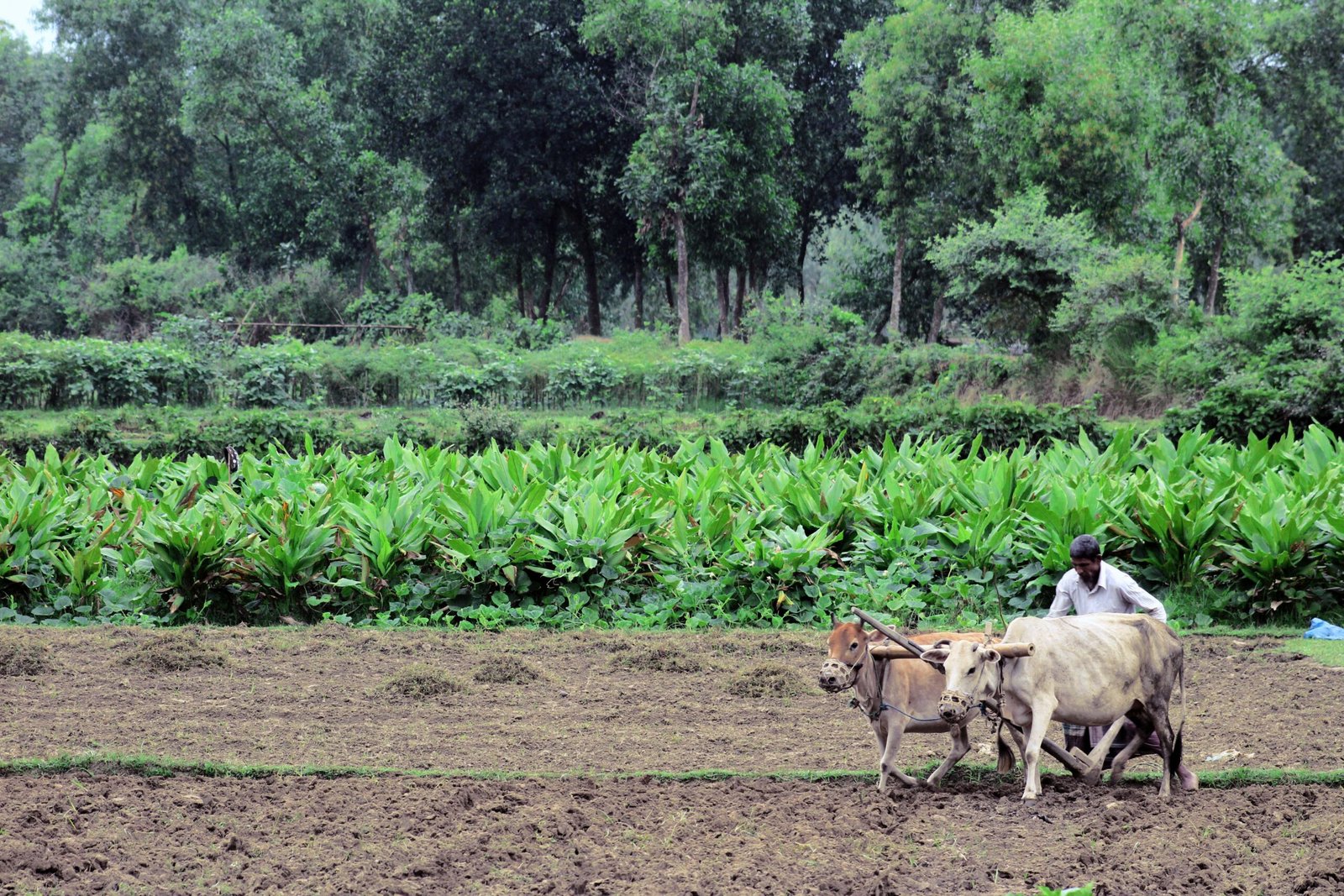
Bangladesh Water Project
Bangladesh is one of the most densely populated countries in the world, and its geography presents unique challenges. The combination of low-lying land, heavy monsoon rains, seasonal flooding, and frequent cyclones leaves large parts of the population exposed to unsafe water sources. Water contamination is a persistent issue that affects health, hygiene, and overall quality of life for millions...
Bangladesh
South Asia
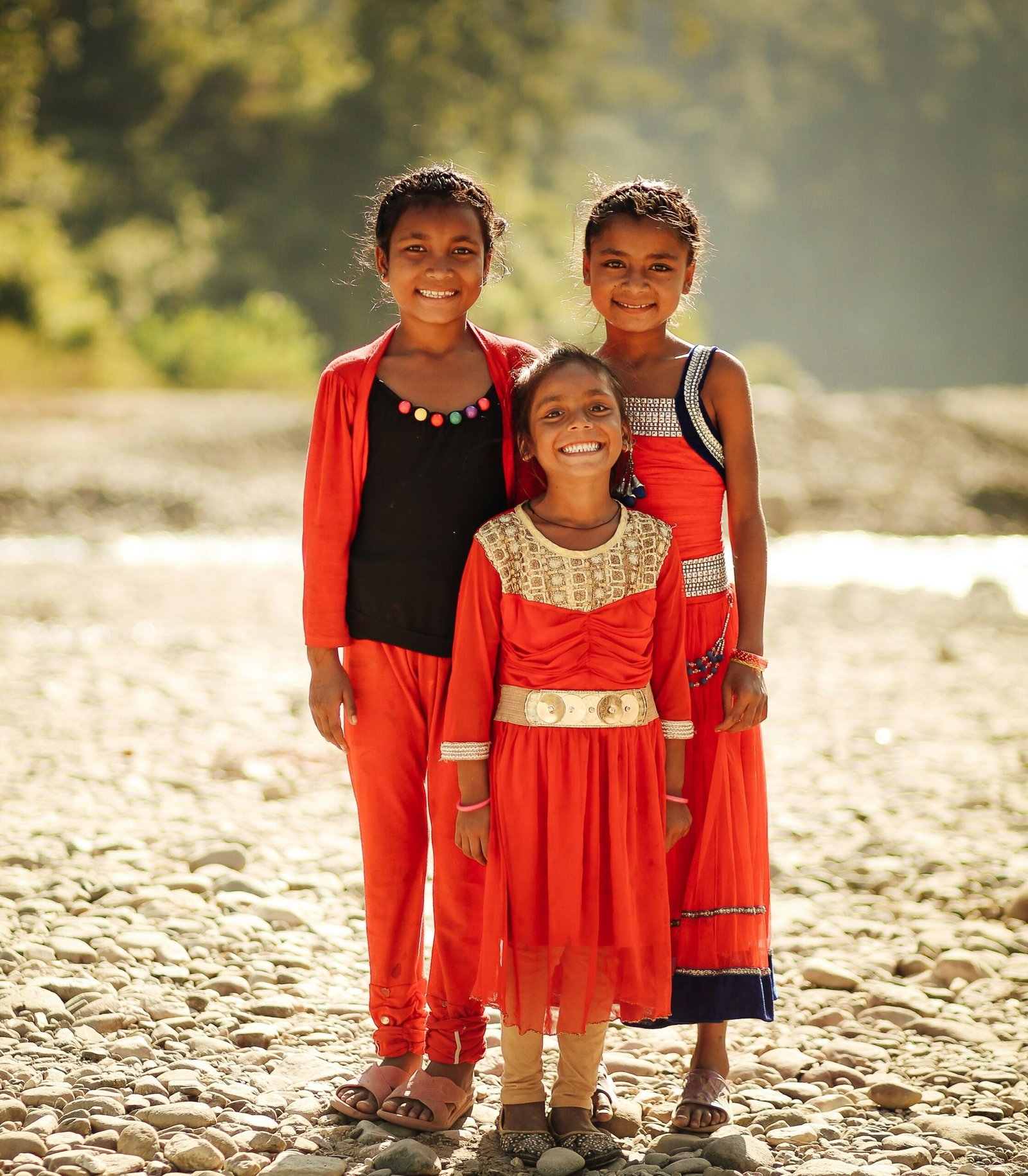
Pakistan Water Project
In Pakistan, millions of families face the daily challenge of finding safe drinking water. Despite impressive progress in recent years, more than 21 million people still have no choice but to drink dirty and unsafe water. This situation places children and families at constant risk of illness and prevents communities from moving forward in health, education, and opportunity. At Well-Good, we...
Pakistan
South Asia
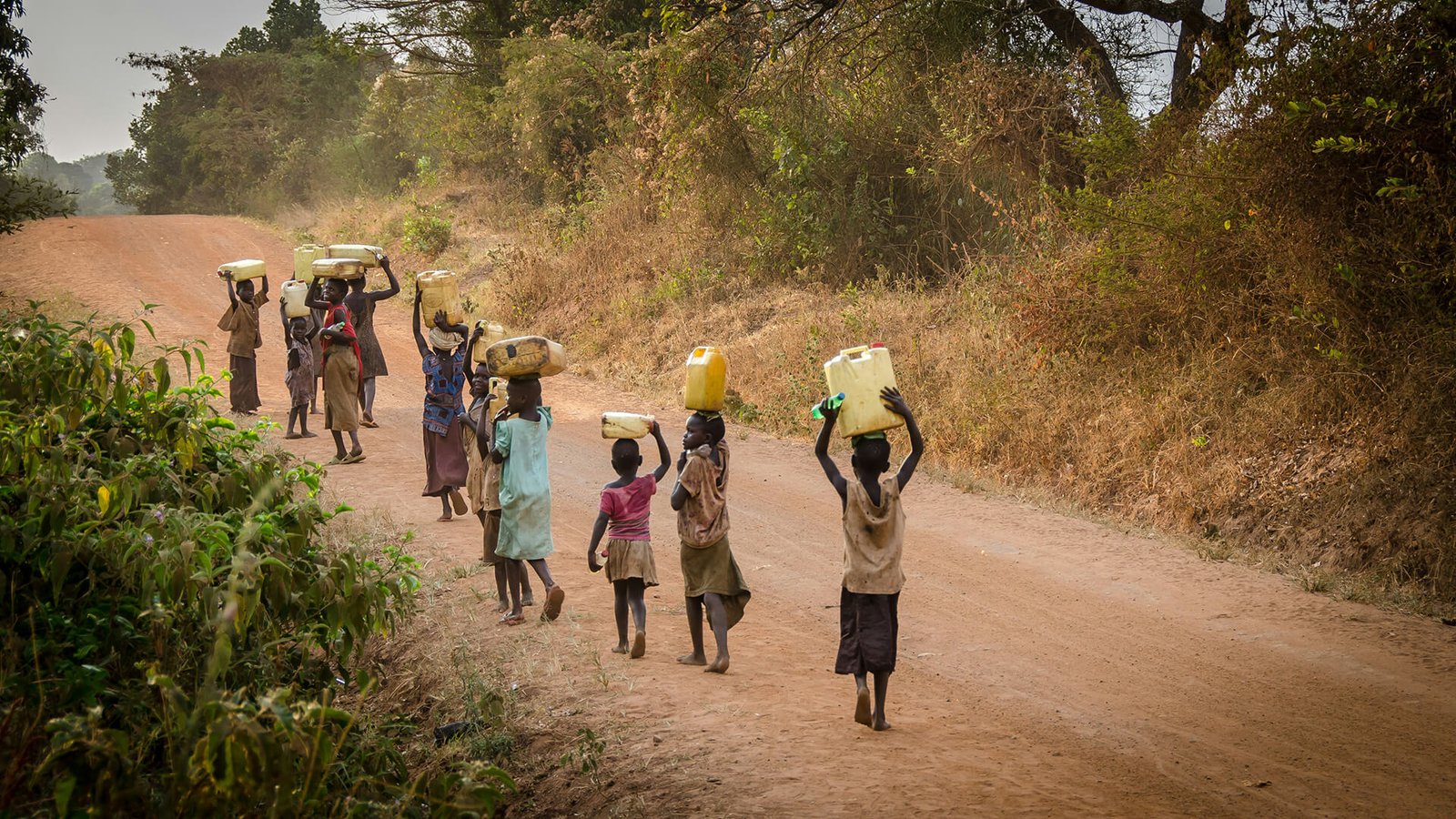
Malawi School Water Project
Across Malawi, one in three people still do not have access to clean and safe drinking water. This daily reality has a deep impact on communities, and children are often the most affected. Instead of spending their days in the classroom, many children, especially girls, must walk long distances to collect water from unsafe or unreliable sources. This not only limits their education but also...
Malawi
Southeastern Africa
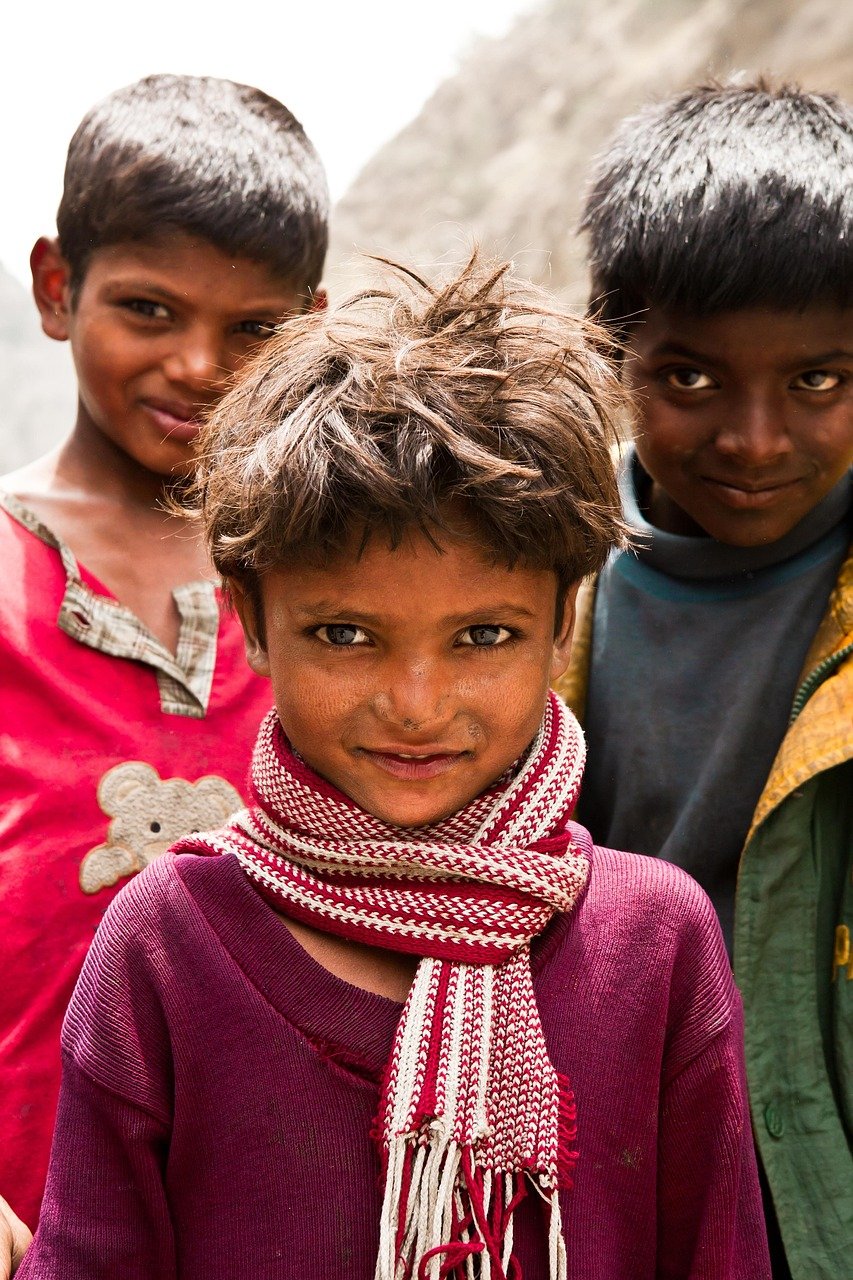
Nepal Rural Project
Nepal, often called the "Water Tower of South Asia," is home to thousands of rivers and glacial sources, including the mighty Himalayas. Despite this natural abundance, the country faces an alarming and increasing problem of water scarcity. This contradiction highlights serious challenges in water resource management, urban planning, and climate resilience. One of the major reasons behind water...
Nepal
South Asia
Where do we make a difference?
We work across some of the world’s most water scarce regions to bring safe and reliable water to the communities that need it most. Our focus is on sustainable impact, supporting the construction of water wells in parts of Africa and Asia where access to clean drinking water is extremely limited. Since our founding, we have worked in several different countries including Malawi, Niger,...
World -Wide
Water Poverty