Project Summary
- Location: Brini in Niger
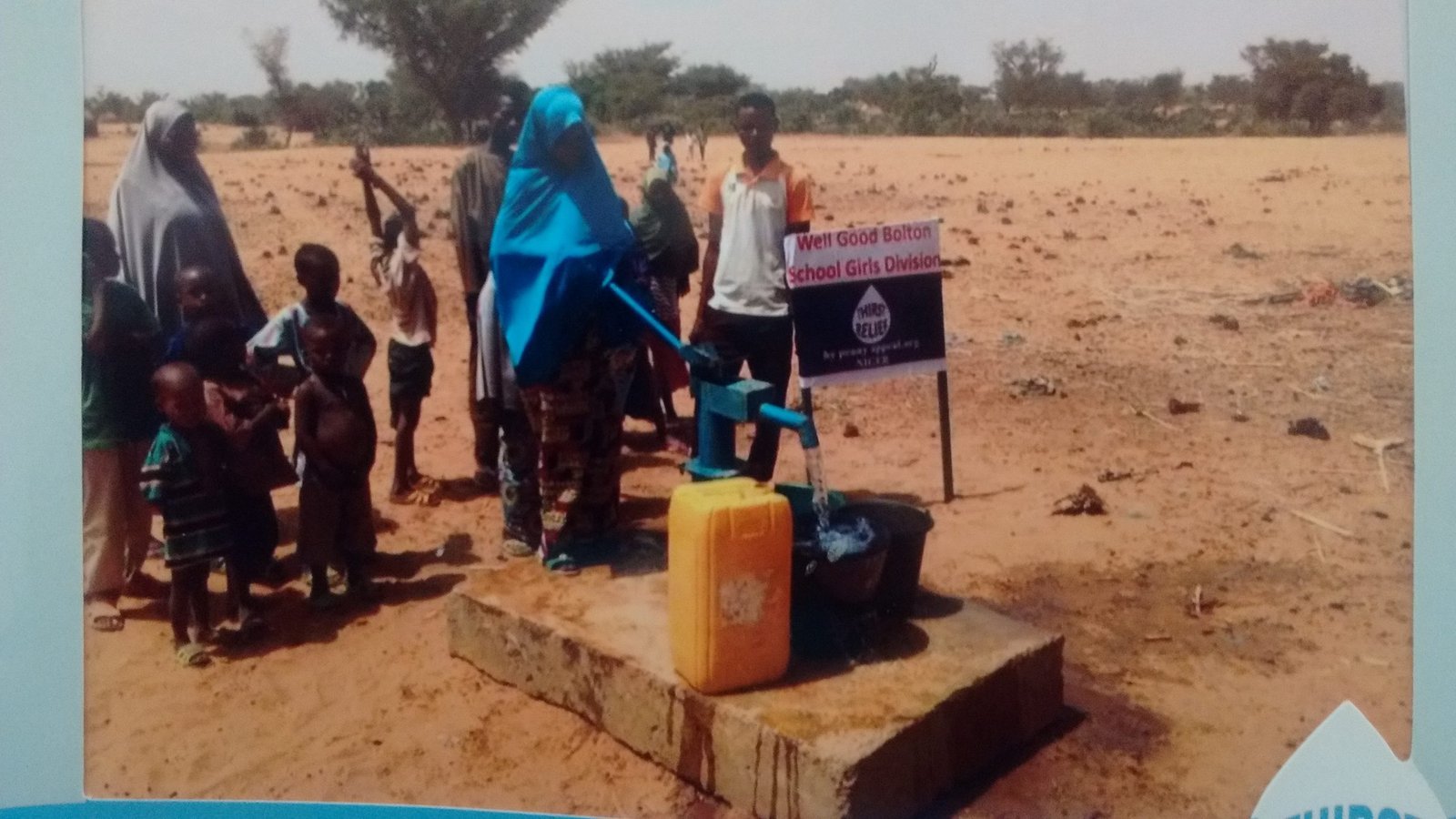
- Project Type: Installation of a Tube Well
- Impact: Access to clean water isn’t just a basic need in Niger—it’s a lifeline that can transform communities, reduce disease, and open the door to education and opportunity.
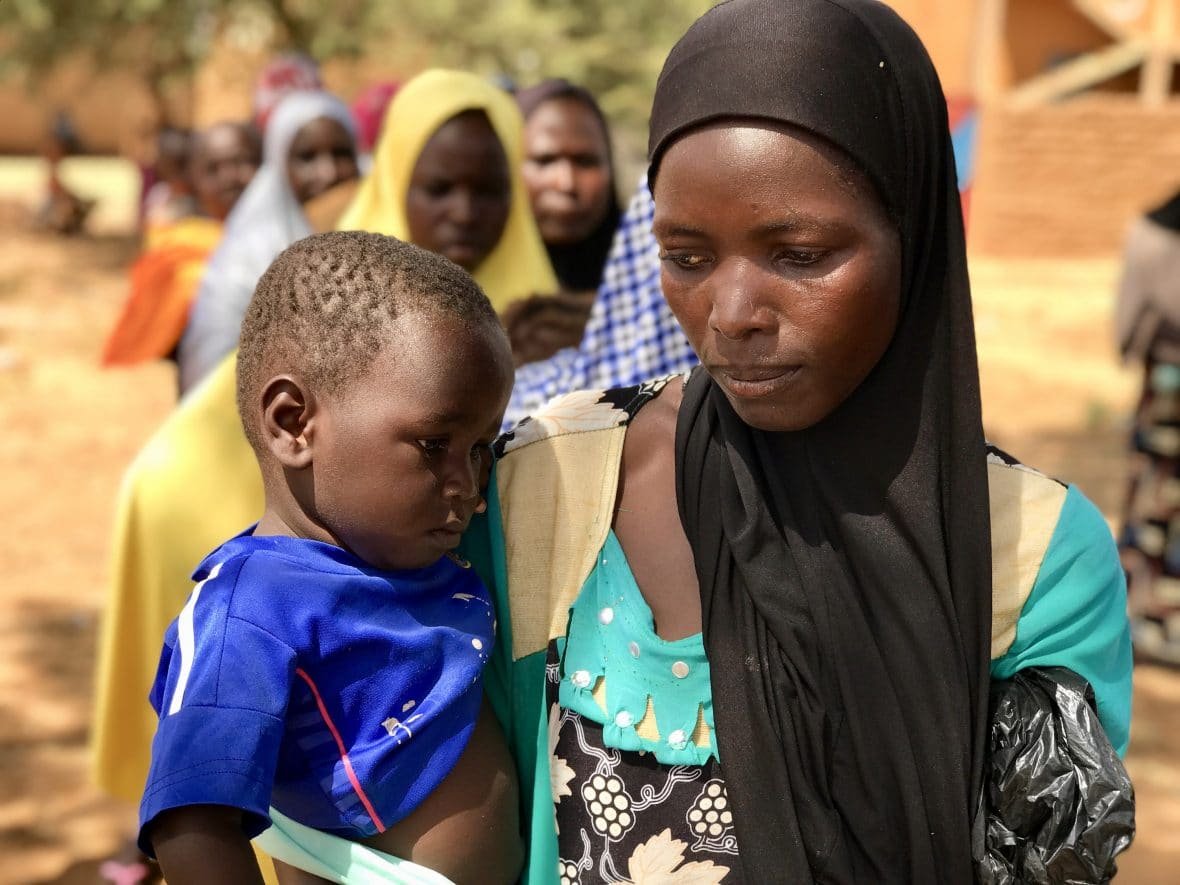
Niger faces one of the most severe water crises in the world, with nearly half of its population lacking access to safe drinking water. Prolonged droughts, desertification, and rapid population growth strain already limited water resources. Rural communities are hit hardest—many residents walk over five kilometers daily to reach often-contaminated water sources. The impact is devastating: waterborne diseases spread quickly, and children—especially girls—miss school to fetch water.
This struggle affects health, education, and livelihoods—especially for women and children, who bear the burden of water collection.
Expanding sustainable water infrastructure in Niger is essential to breaking this cycle of poverty and creating lasting health and economic stability.
Gallery
Well-Good Result
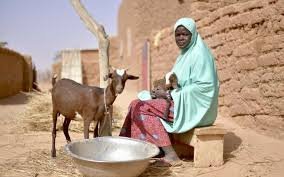
Village Life
Family
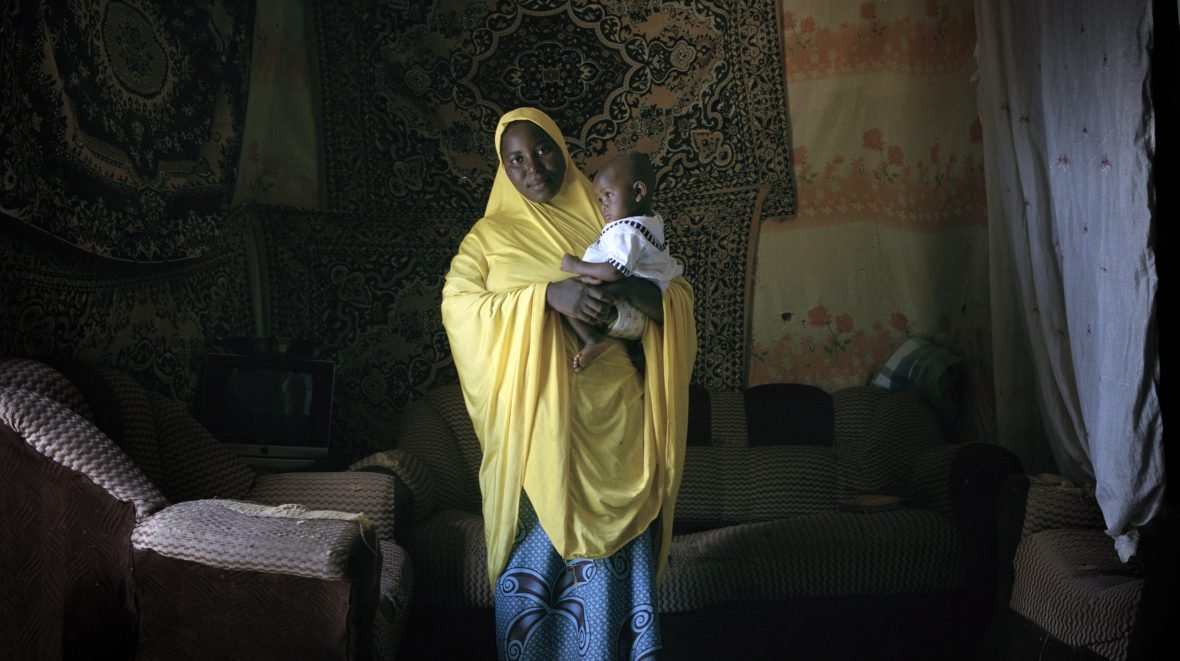
At Home
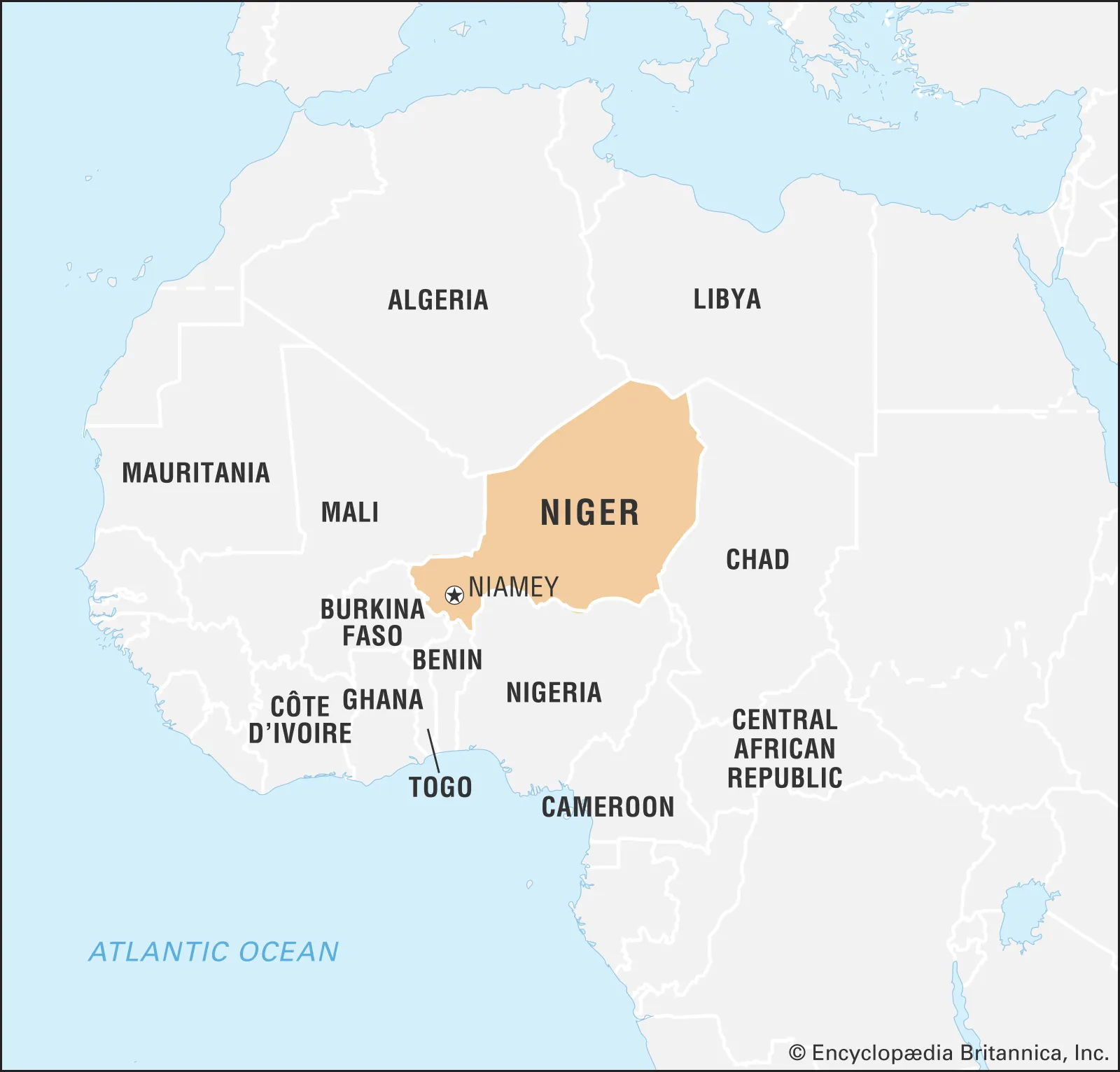
Where in the world
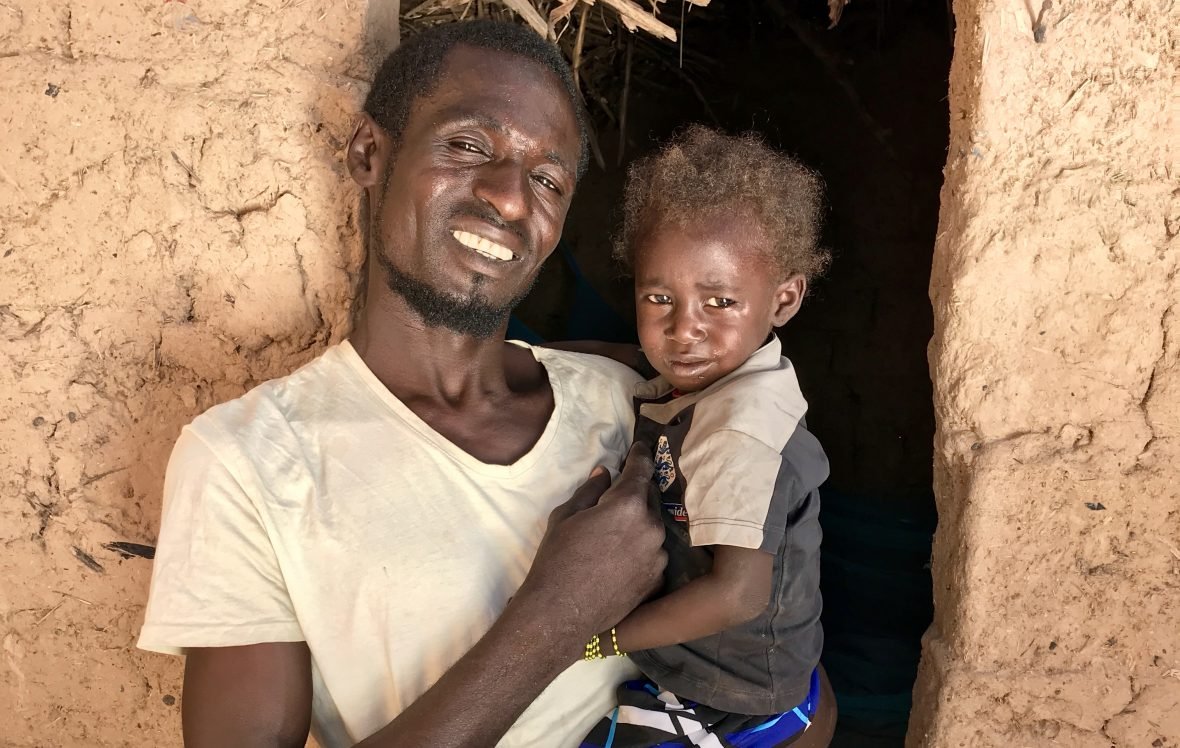
Family
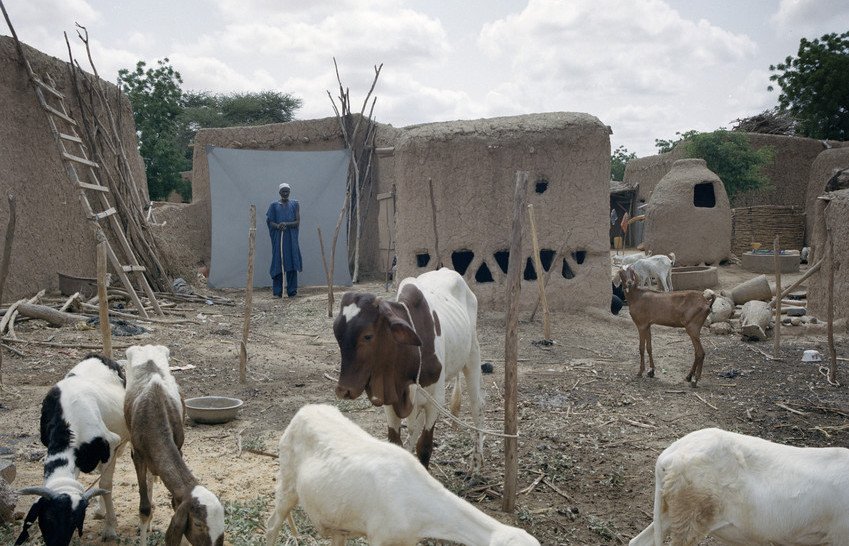
Livestock
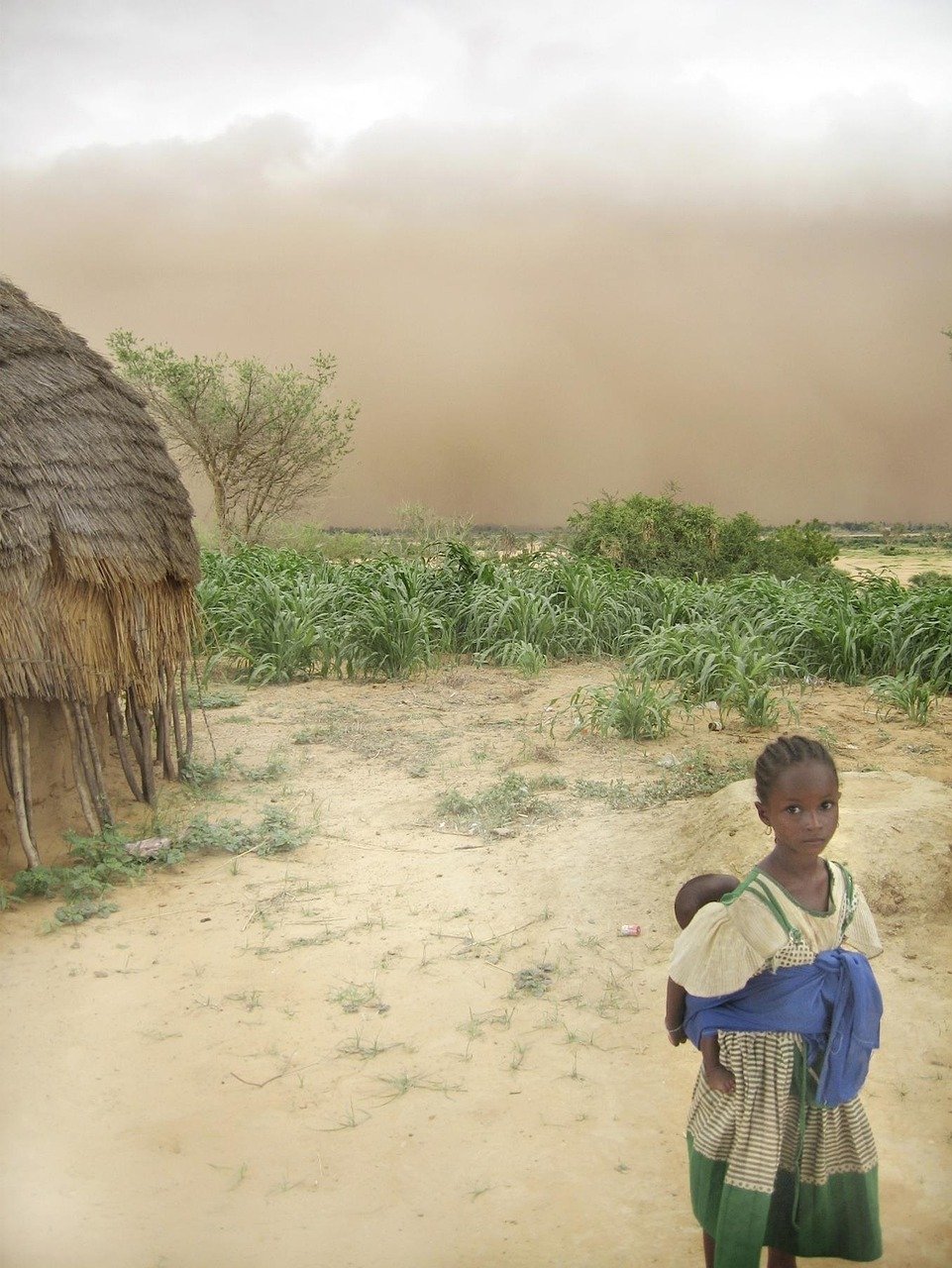
Village Life