-
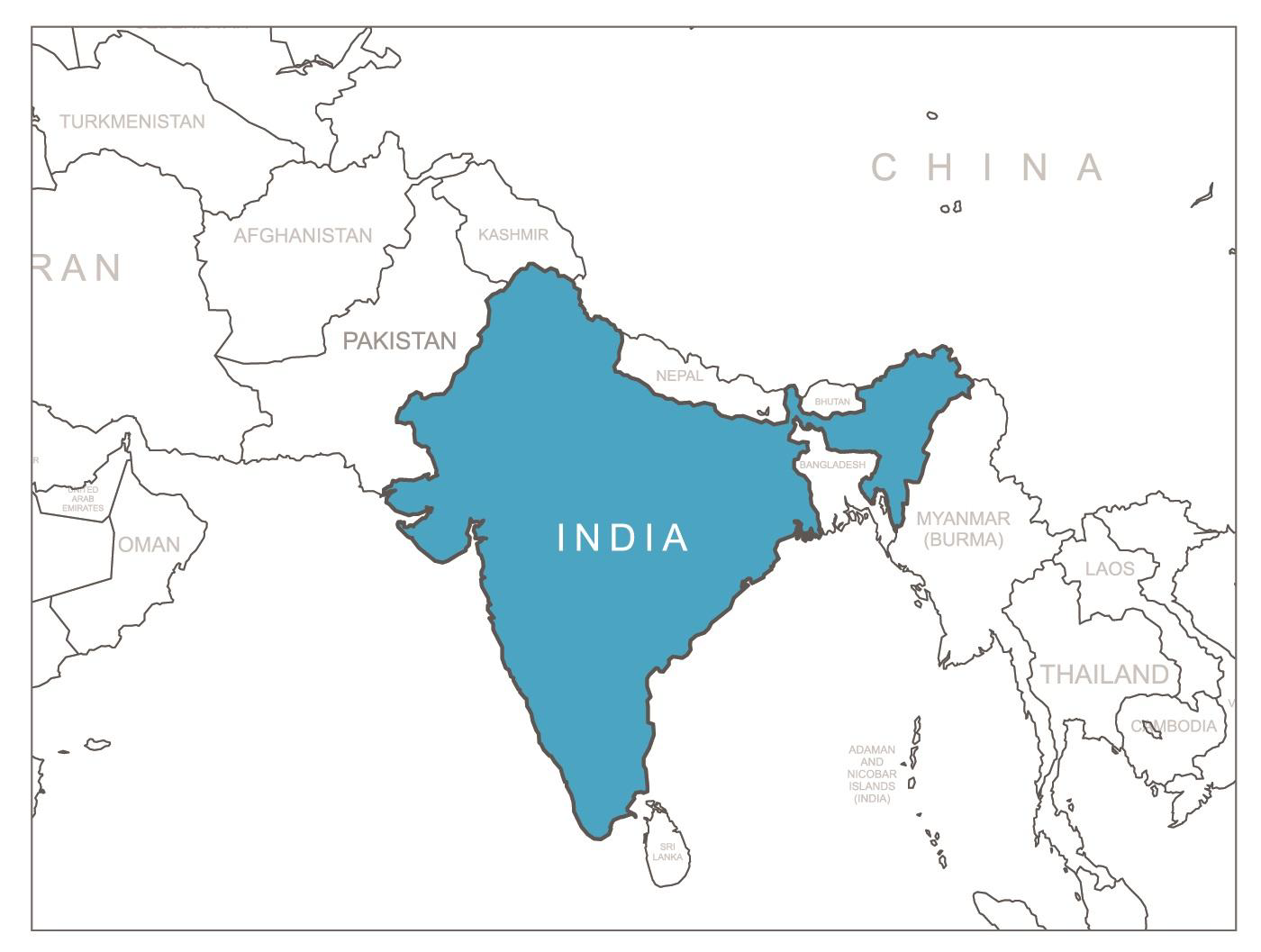
Location: Community in Uttar Pradesh
-
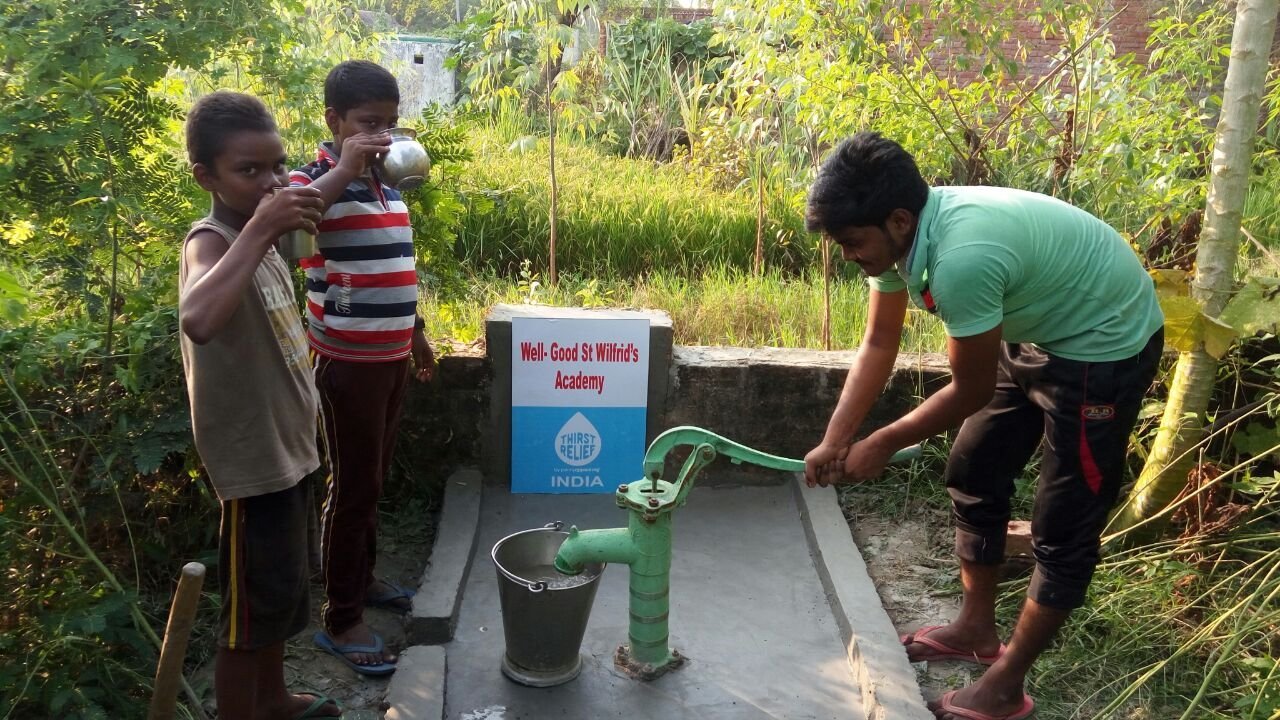
Project Type: Installation of a deep well and hand pump
- Special Contribution: Project funded through the support of pupils at St Wilfrid’s Academy (900,000 questions answered)
-
Impact: Provides easy and reliable access to clean drinking water, reducing the need for villagers—especially women and children—to walk long distances to fetch water.
Water poverty in Uttar Pradesh, India, is a growing concern that affects millions of people, especially in rural areas. Despite being home to several rivers, including the Ganges, Yamuna, and Ghaghara, the state faces severe water scarcity due to over-extraction of groundwater, pollution, and poor water management. Many districts, such as Bundelkhand, suffer from recurrent droughts, depleting water tables, and irregular rainfall, leaving communities dependent on unsafe or distant water sources. Rapid urbanization and agricultural demands have further strained the limited supply. As a result, water poverty not only hampers daily life but also impacts health, education, and economic development. Addressing this crisis requires sustainable water management practices, rainwater harvesting, pollution control, and improved infrastructure to ensure equitable access to clean water for all residents of Uttar Pradesh.
Installing hand pumps in rural communities has a significant positive impact on people’s lives. It provides easy and reliable access to clean drinking water, reducing the need for villagers—especially women and children—to walk long distances to fetch water. This saves time and energy, allowing children to attend school regularly and adults to focus on income-generating activities. Access to safe water also helps prevent waterborne diseases such as diarrhea, cholera, and typhoid, improving overall community health. Additionally, hand pumps promote better hygiene and sanitation practices by ensuring water availability for daily needs. Over time, the presence of hand pumps contributes to social and economic development, empowering rural communities to lead healthier and more productive lives.
Gallery
Where in the World
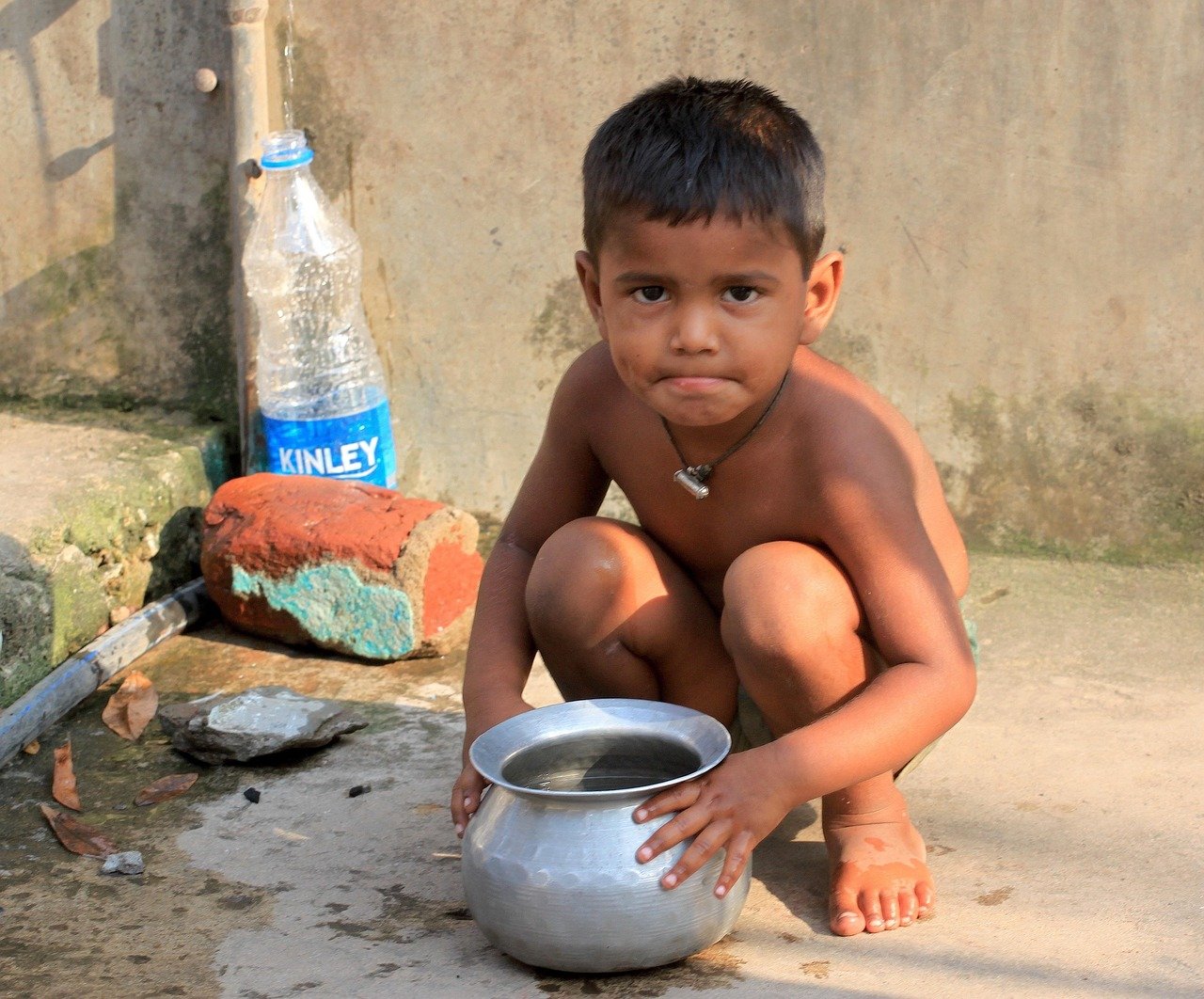
Children
Children
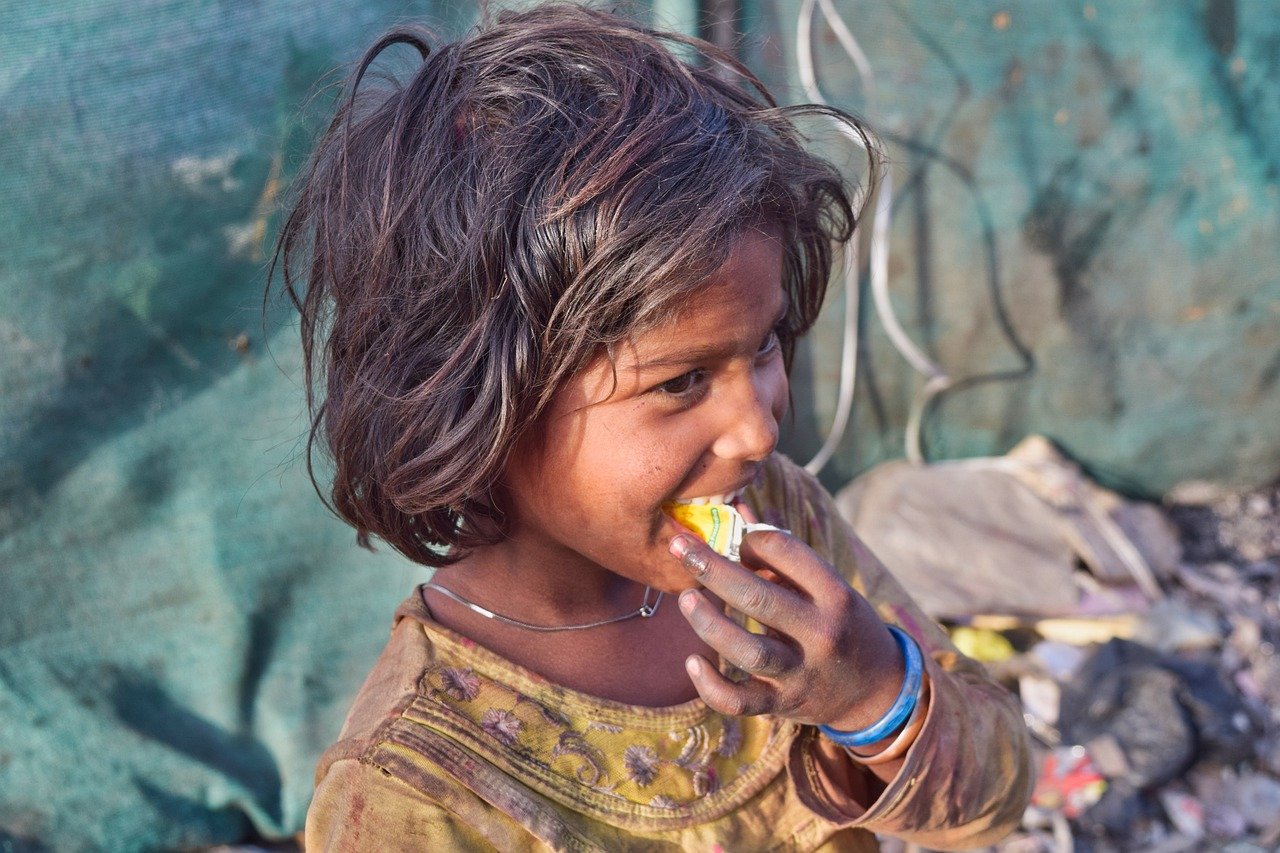
Children
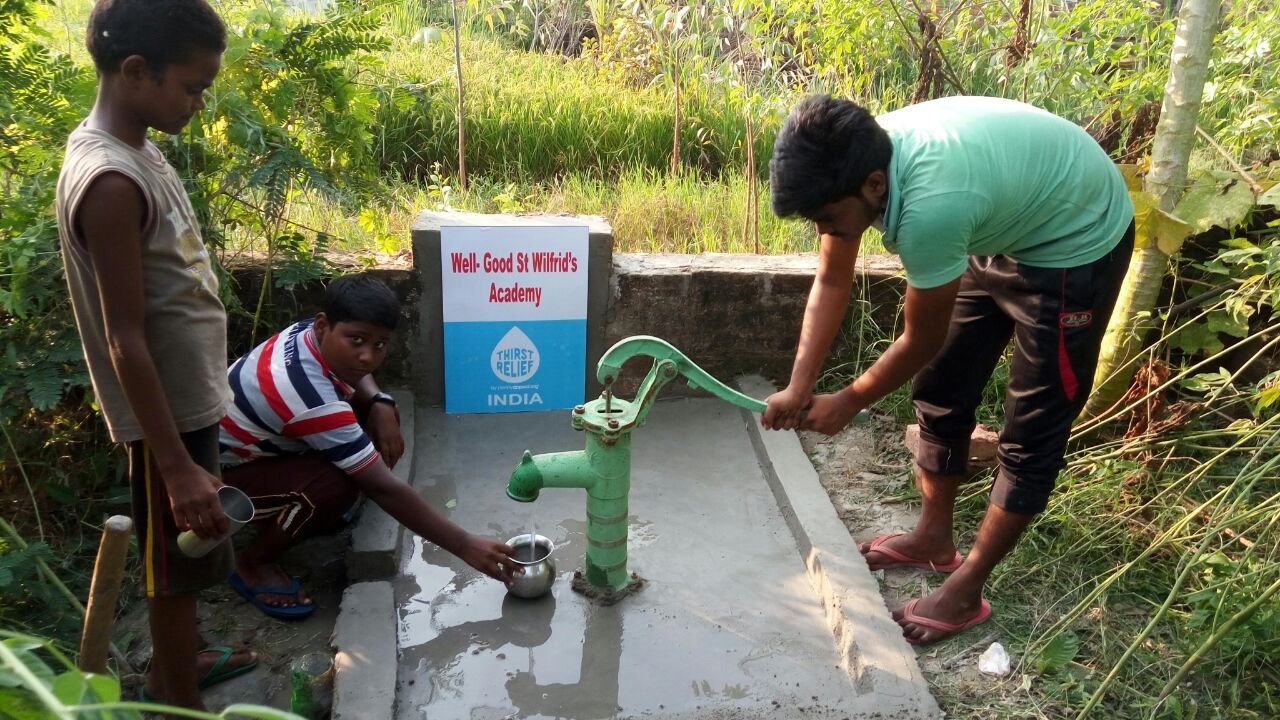
Well-Good
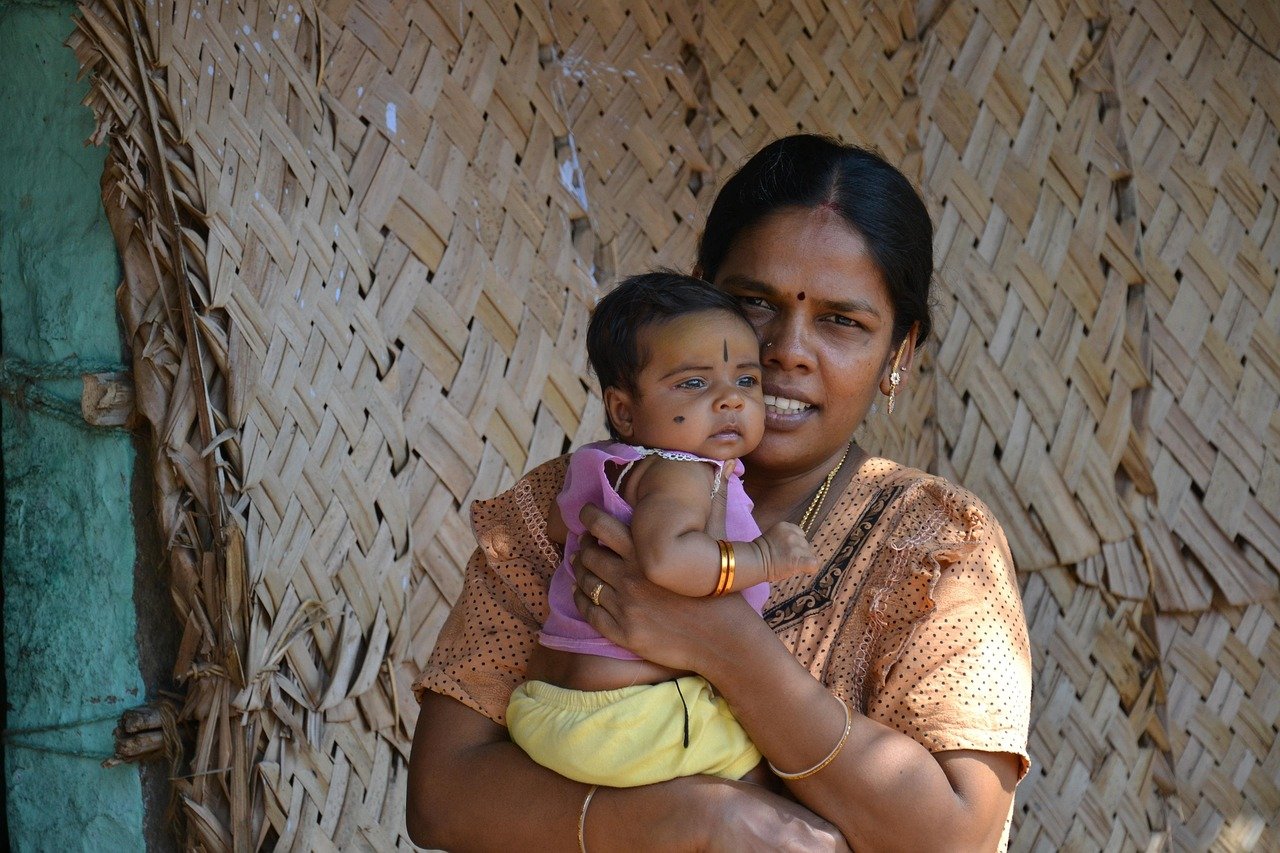
Family
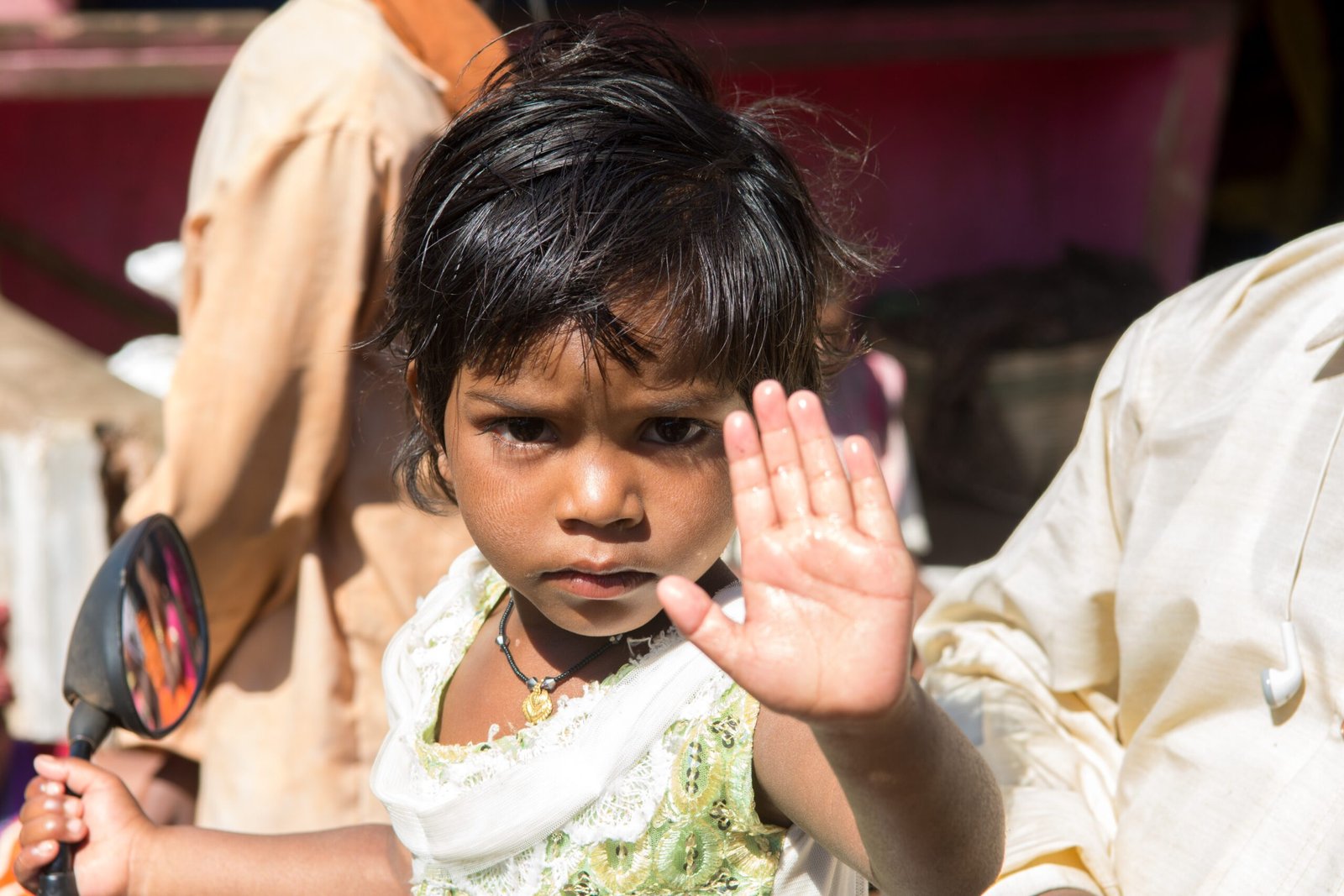
Children